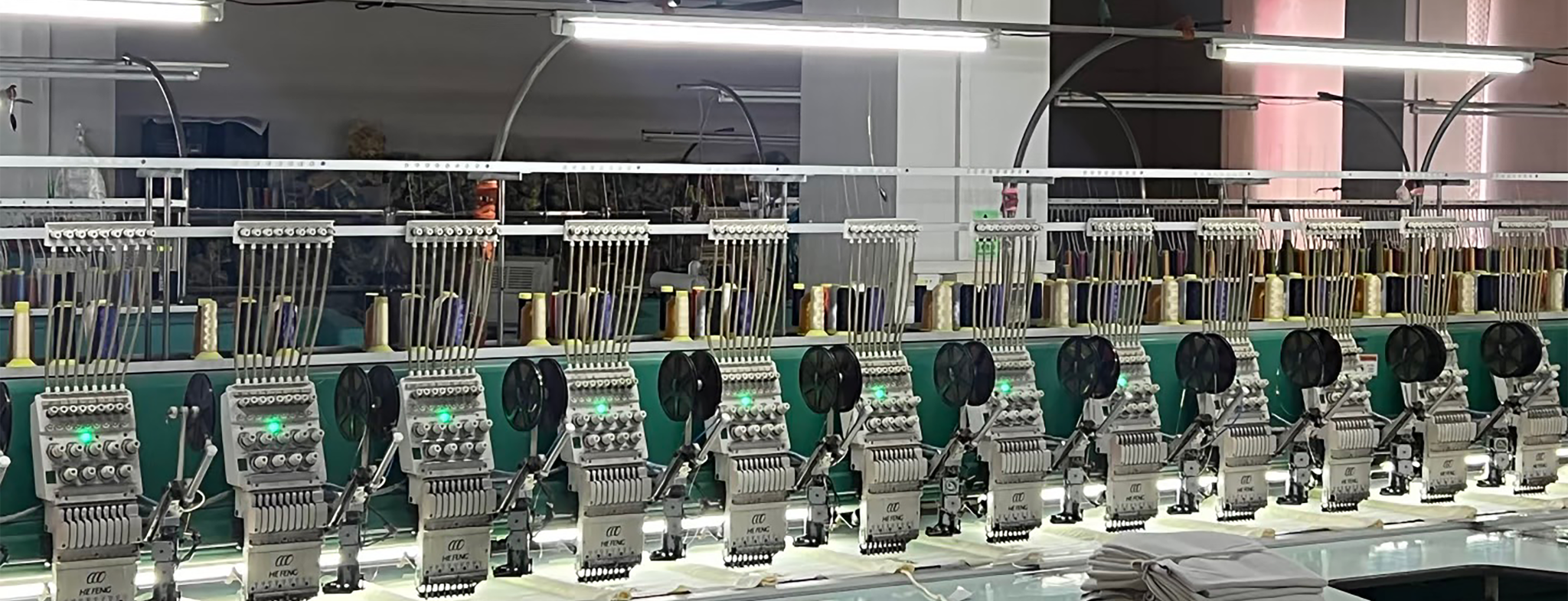
Embroidery
1.Process Principle: A mechanical process that uses automated multi-needle machines to stitch a design directly into the fabric using thread.
2.Ideal Fabric: Best on stable, woven fabrics like twill, denim, and polo jersey. Can be challenging on stretchy knits or very thin materials without proper backing, which may cause puckering.
3.Design Capability: Not suitable for gradients, photos, or very small details. Excellent for logos, text, and designs with distinct color blocks. The design must be “digitized” into a file that instructs the machine on stitching patterns.
4.Hand Feel & Breathability: Creates a textured, three-dimensional, and premium feel. Breathability is maintained as the fabric is not coated, though a dense stitch area can feel stiff and less breathable.
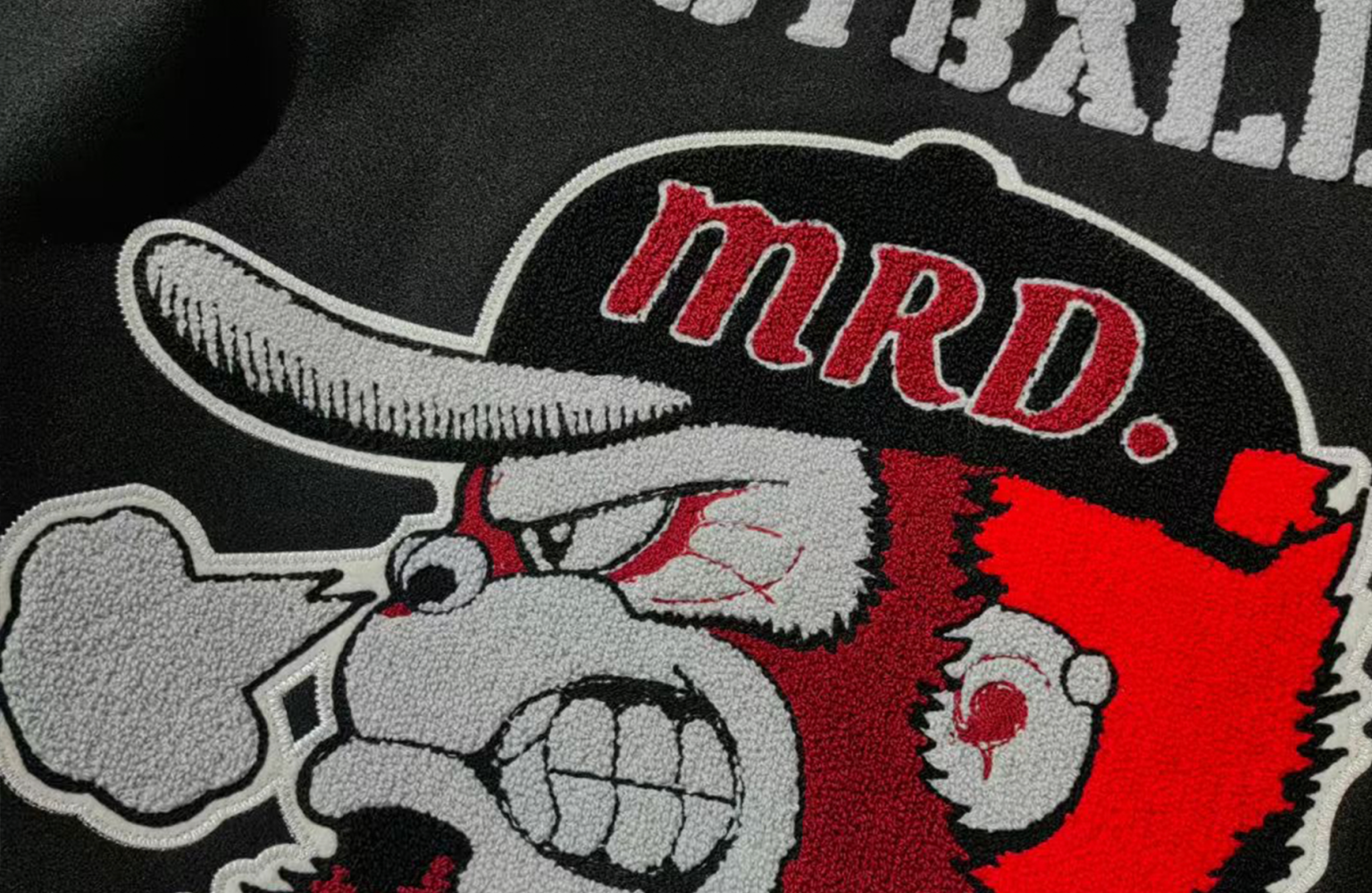
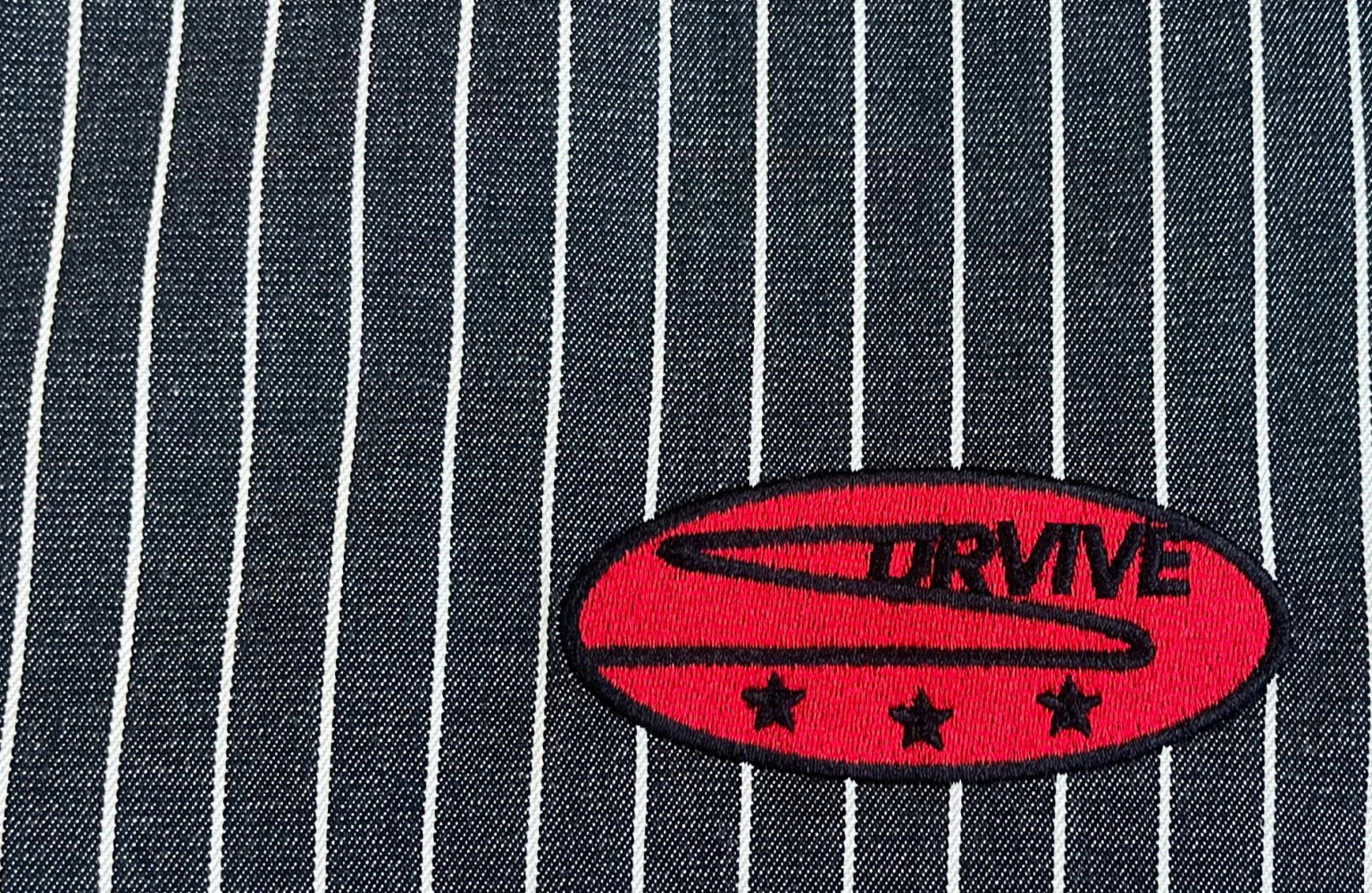
5.Durability & Curing: The most permanent decoration method. The stitched thread is incredibly durable, resistant to washing, fading, and wear, often outlasting the garment itself. No curing is needed.
6.Cost Structure: High setup cost (digitizing fee, which is a one-time cost). The per-unit cost is determined by the stitch count (number of stitches in the design). Higher stitch counts mean longer production times and higher cost.
7.Environmental Impact: Generally considered low impact. The primary materials are thread and a lightweight stabilizer backing, generating minimal waste compared to printing processes.
8.MOQ & Lead Time: Common MOQ is 50+ pieces. The digitizing process adds to the initial lead time. Actual stitching time per item is slower than printing, making it less ideal for extremely urgent, large orders.
| Feature | DTG Printing | DTF Printing | Screen Printing | Embroidery |
|---|---|---|---|---|
| Applicable Fabric | Best on Cotton & Blends | Cotton, Poly, Blends, etc. | Most Fabrics (Cotton, Polyester, etc.) | Stable, Woven Fabrics |
| Applicable Pattern | Complex, Full-Color, Photorealistic | Complex, Full-Color, Photorealistic | Bold Graphics, Solid Colors, Spot Colors | Logos, Text, Designs with Defined Areas |
| Hand Feel | Soft on Lights, Slightly Stiff on Darks | Smooth, Plastic-like Layer | Stiff (Plastisol) or Soft (Water-Based) | Textured, Raised, and Durable |
| Cost-Effectiveness | Best for Low Quantities | Best for Low-Mid Quantities on Various Materials | Best for High Volume | Best for Medium-High Quantities |
| Environmental Impact | Medium (Water-Based Inks, but uses Pre-Treatment) | Low (Involves Plastic Film & Polymer Waste) | Low (Plastisol Inks) to Medium (Water-Based) | High (Minimal Material Waste) |
| MOQ | 50+ | 30+ | 50+ | 50+ |