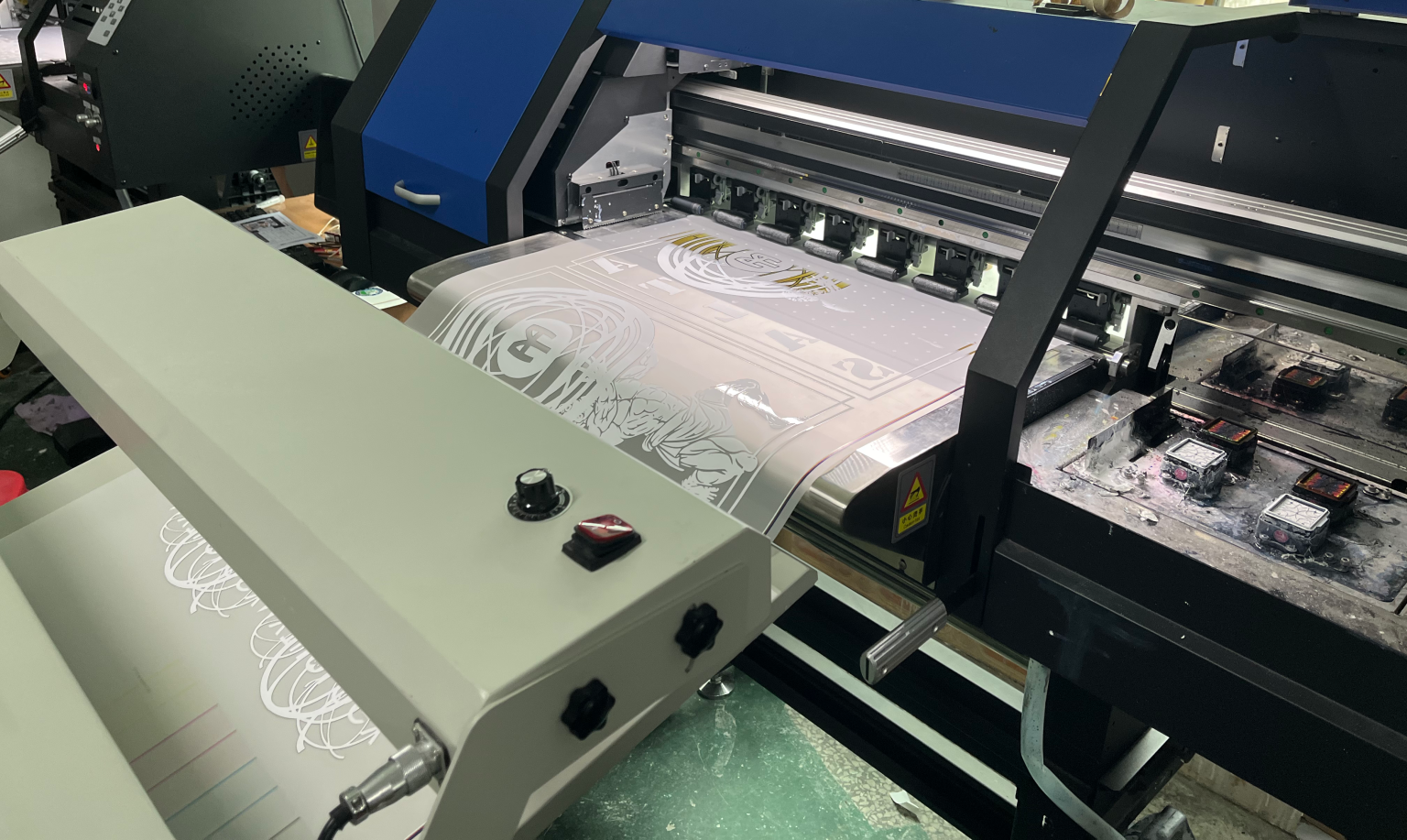
DTF (Direct-to-Film) Printing
1.Process Principle: A two-step process where a design is first printed onto a special PET film with pigment inks. A hot-melt adhesive powder is applied, cured, and then the entire transfer is heat-pressed onto the garment.
2.Ideal Fabric: Extremely versatile. Works excellently on cotton, polyester, nylon, blends, and even non-textile surfaces like leather and caps without changing the process.
3.Design Capability: Excellent for full-color, complex designs with high detail and color vibrancy, similar to DTG. The white layer is printed as part of the transfer, ensuring opacity.
4.Hand Feel & Breathability: The transfer creates a smooth, plastic-like layer on the fabric. It is flexible and stretch-resistant but has minimal breathability and a noticeable texture.
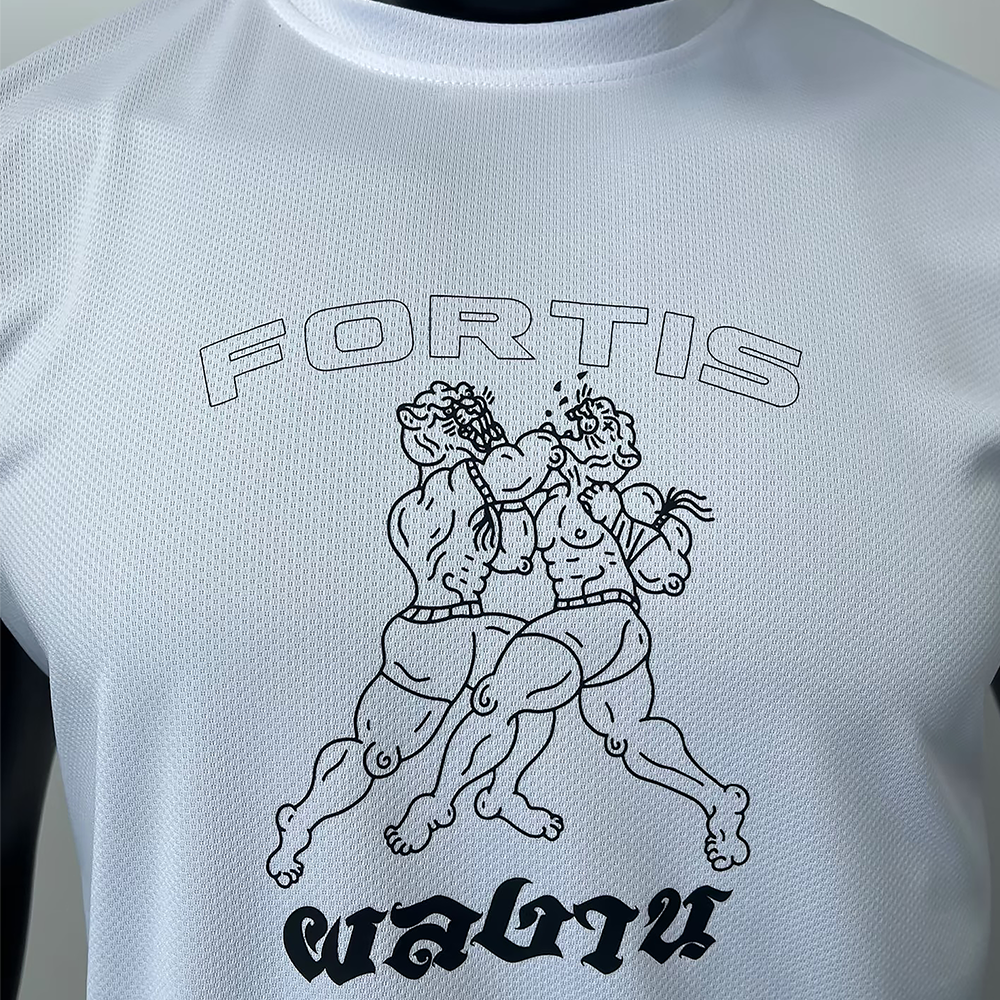
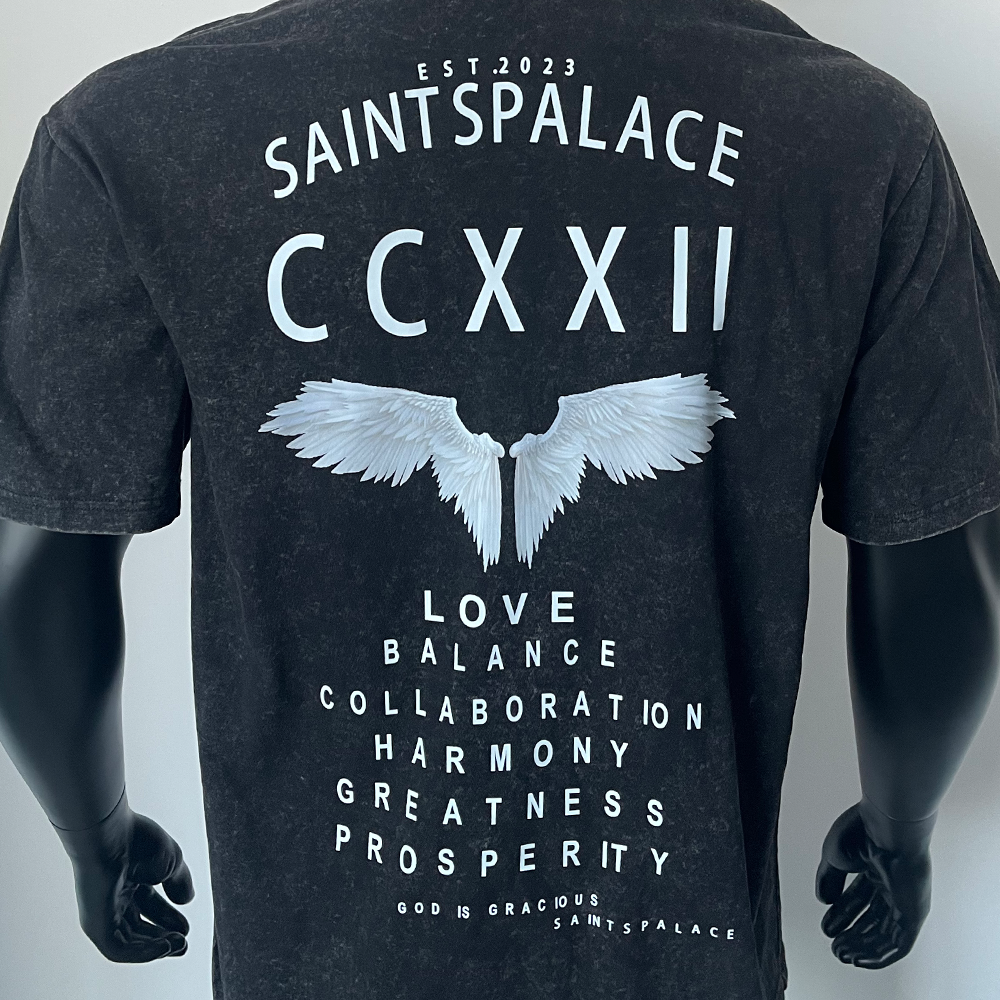
5.Durability & Curing: The adhesive layer bonds strongly to fabric fibers. Results in a highly durable, wash-resistant, and crack-resistant print that survives repeated washing exceptionally well.
6.Cost Structure: Low-to-medium setup cost. The per-unit cost is higher than bulk screen printing but competitive for multi-color designs on various materials. Consumables (film, powder) add to the cost.
7.Environmental Impact: Involves the use of plastic-based films and polymer powders, which raises concerns about plastic waste and environmental friendliness compared to water-based inks.
8.MOQ & Lead Time: Common MOQ is 30+ pieces. The process is efficient for small to medium runs, offering a good balance between flexibility and speed. Lead time includes printing, powdering, and curing steps.
| Feature | DTG Printing | DTF Printing | Screen Printing | Embroidery |
|---|---|---|---|---|
| Applicable Fabric | Best on Cotton & Blends | Cotton, Poly, Blends, etc. | Most Fabrics (Cotton, Polyester, etc.) | Stable, Woven Fabrics (e.g., Twill, Denim) |
| Applicable Pattern | Complex, Full-Color, Photorealistic | Complex, Full-Color, Photorealistic | Bold Graphics, Solid Colors, Spot Colors | Logos, Text, Designs with Defined Areas |
| Hand Feel | Soft on Lights, Slightly Stiff on Darks | Smooth, Plastic-like Layer | Stiff (Plastisol) or Soft (Water-Based) | Textured, Raised, and Durable |
| Cost-Effectiveness | Best for Low Quantities | Best for Low-Mid Quantities on Various Materials | Best for High Volume | Best for Medium-High Quantities |
| Environmental Impact | Medium (Water-Based Inks, but uses Pre-Treatment) | Low (Involves Plastic Film & Polymer Waste) | Low (Plastisol Inks) to Medium (Water-Based) | High (Minimal Material Waste) |
| MOQ (Minimum Order Quantity) | 50+ | 30+ | 50+ | 50+ |